
Blogs & Resources
Xfrate brings you a powerful, cloud-native platform designed to streamline your logistics operations. Discover how our Transport Management System and Road Freight Aggregator can help you gain visibility, efficiency, and control across your mid-mile freight movement.
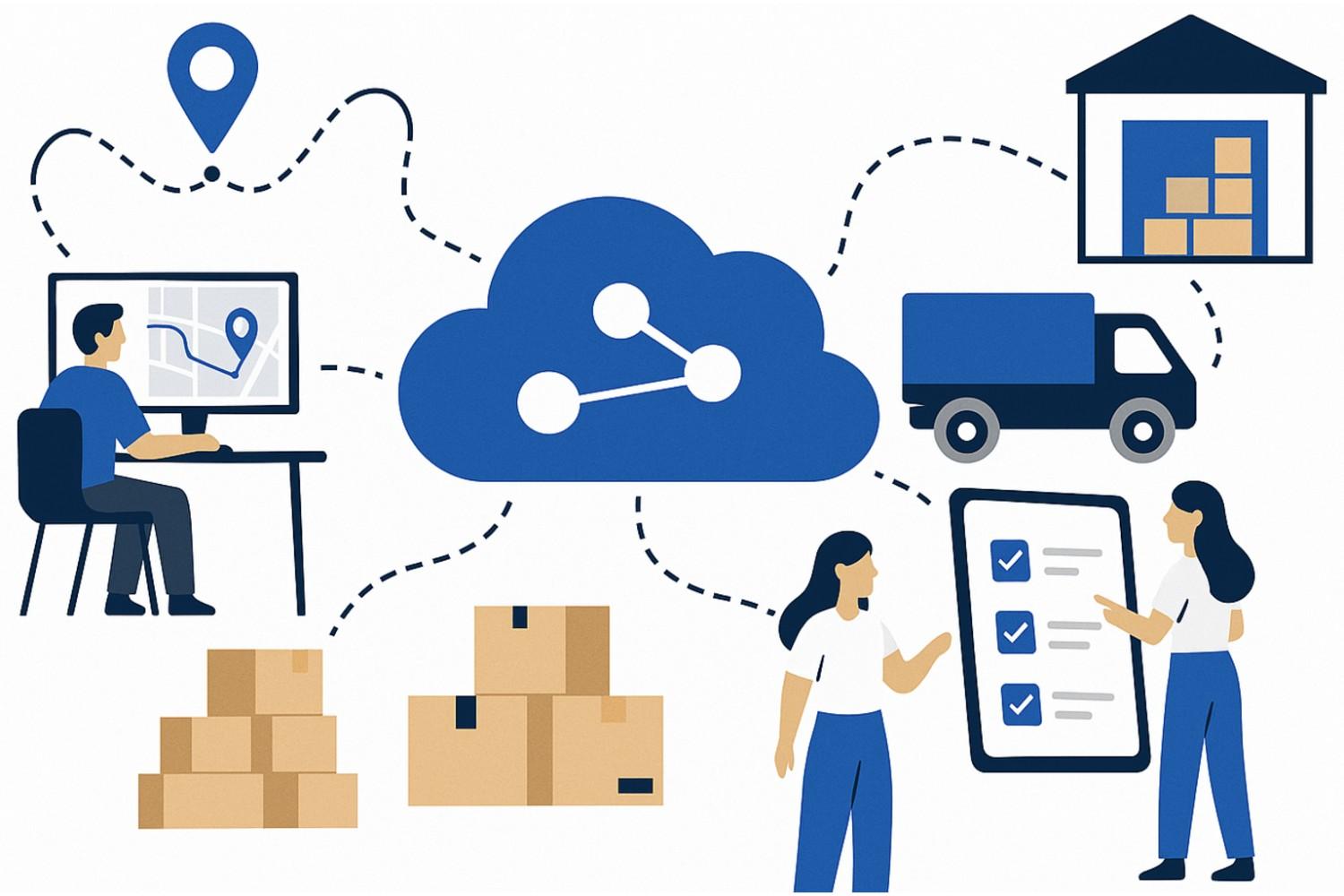
Our Blogs
Insights on Mid-Mile Logistics, Technology, and Innovation
Mid-mile logistics is where a lot of the action happens, where things can easily get messy. It’s the stretch that moves goods between warehouses and distribution centers, and any hiccup here can ripple all the way to the customer. On this page, we share practical insights on mid-mile logistics solutions, how technology can make operations smoother, and ways to stay ahead in a rapidly changing industry. You’ll read about cloud-native platforms, scalable Transport Management Systems, real-time tracking, centralized order management, and keeping data safe through secure, localized storage. This isn’t just theory, it’s about helping businesses run better every day with tools like Freight solutions and Transport Management Systems, all in one place.
Why Mid-Mile Logistics Matters Today
If you have ever managed a supply chain, you know how tricky mid-mile can be. It’s not just about moving freight. It’s also about timing and making sure everything stays on track. Challenges like late shipments and limited visibility are common in mid-mile logistics but they’re also solvable. If companies focus on ways to optimize mid-mile logistics, they can reduce delays and also lower costs. A smooth mid-mile means happier customers, better resource planning, and fewer surprises along the route.
Mid-Mile Logistics Challenges Explained
Every business running freight through the mid-mile faces a familiar set of hurdles like inconsistent carrier performance and availability, limited visibility, rising freight costs, and complex scheduling. These challenges can slow down the entire supply chain if not managed well. The page takes a closer look at these mid-mile logistics challenges and explores how modern tools like cloud-based TMS platforms and freight operating systems are helping companies overcome them. From reducing freight costs, improving fleet utilization to building fairer carrier partnerships, you’ll find articles that break down problems and offer clear, practical solutions.
Technology Driving Mid-Mile Logistics
Old-school systems can’t keep up with today’s logistics demands. This is the reason cloud-native platforms for mid-mile logistics are becoming essential. They let you scale up or down depending on your business. A good Transport Management System can track shipments in real time and use analytics and AI insights to make smarter decisions. With reliable uptime and strong security, you know your operations are always protected. Technology in the mid-mile isn’t just a nice-to-have, it’s how companies reduce errors and make faster, better decisions across the network.
Security, Scalability, and Trust
One of the biggest benefits of modern logistics platforms is flexibility. With a SaaS model for mid-mile logistics, you can scale usage as your business grows, rather than paying for resources you don’t need. Xfrate ensures uptime and reliability. Your data is safely stored locally. U.S. businesses in U.S. servers, Australia in Australia, India in India. This data localization adds a layer of security and compliance that’s critical for many businesses. Plus, using a top cloud provider means access to advanced algorithms. You can access predictive analytics and smarter route planning, all backed by the reliability and protection you’d expect from enterprise-grade infrastructure.
Industry Trends in Mid-Mile Logistics
Mid-mile logistics is evolving quickly. From the shift toward cloud-native TMS platforms to the growing role of AI-powered insights and data security in logistics SaaS, businesses are rethinking how they manage freight between hubs and warehouses. On this page, we explore the latest mid-mile logistics trends. Each article is designed to help you see what’s changing and how you can adapt to stay ahead.
Xfrate’s Approach to Mid-Mile Logistics
At Xfrate, we focus on solutions that actually work in the real world. Our Transport Management System (TMS) helps teams track shipments and coordinate dispatch without endless spreadsheets or manual checks. The Road Freight Aggregator (RFA) connects transporters with fleet providers and helps them better serve shippers. It’s about giving you the tools to all participants of the supply chain from shipper to transporter to fleet provider to keep operations smooth, transparent, and scalable.
Practical Guides, Case Studies, and Insights from Xfrate
At Xfrate, we know that logistics leaders don’t just want theory, they want to see how solutions work in practice. That’s why our blog brings together practical guides for mid-mile logistics solutions and detailed case studies showing how businesses are putting technology into action. You’ll find real examples of companies cutting down on manual scheduling, improving real-time tracking in mid-mile logistics, and scaling operations with a SaaS-based TMS. Beyond case studies, we share insights on cloud-native technology, centralized order management, and best practices for carriers, 3PLs, and shippers navigating today’s supply chain challenges. Each post is written to show not just what’s possible but how to apply it in your own operations. Think of this blog as your go-to resource for practical knowledge, industry trends, and proven strategies to stay competitive in the evolving world of mid-mile logistics.
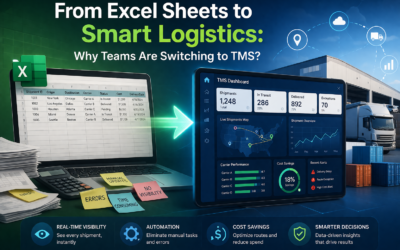
From Excel Sheets to Smart Logistics: Why Teams Are Switching to TMS?
Spreadsheets have been the go-to tool for managing logistics operations for years. They are familiar, easy to set up, and work well in the early stages. However, as operations grow more complex, their limitations become harder to ignore. Manual updates,...
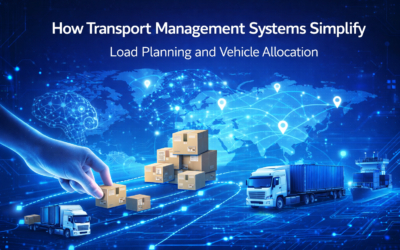
How Transport Management Systems Simplify Load Planning and Vehicle Allocation?
Most freight inefficiencies don’t start on the road. They start much earlier, at the planning desk. Load building and vehicle assignment are often treated as routine operational steps, handled quickly so shipments can move out on time. But when...
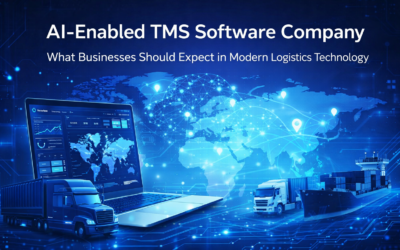
AI-Enabled TMS Software Company: What to Expect?
Running a transport or logistics business today comes with constant pressure. Traffic delays, fluctuating fuel prices, real-time tracking expectations, and evolving compliance requirements make operations increasingly complex. While many...

Five Signs Your Business Is Losing Money Without Transport Management Software in the USA
Freight costs don’t always jump suddenly. In many U.S. businesses, shipment volumes stay the same, trucks move as planned, and operations seem fine on the surface. Yet margins slowly shrink. The reason is often hidden in daily transport...
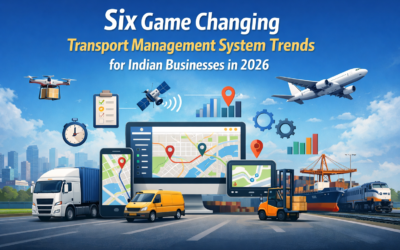
Six Game Changing Transport Management System Trends for Indian Businesses in 2026
Indian businesses are moving fast, but logistics systems are struggling to keep up. Freight costs in India remain among the highest globally, while delivery timelines are increasingly impacted by capacity constraints and fragmented coordination. Yet, many...
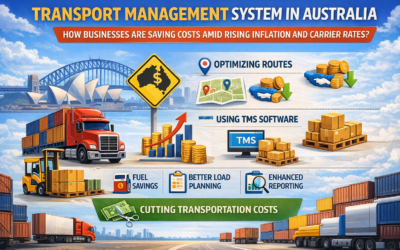
Transport Management System in Australia: How Businesses Are Saving Costs Amid Rising Inflation and Carrier Rates?
Inflation is going up, and carrier rates are rising along with them. For many Australian shippers, these feel like the biggest pressures on freight costs right now. But in reality, they are only part of the problem. The bigger challenge sits quietly inside day-to-day...
Why Mid-Mile Logistics Solutions Are Critical for Supply Chain Success?
Products leave your factory floor right on schedule. Your warehouses are stocked and ready. But somewhere between those two points, delays happen, costs climb, and visibility disappears. The problem isn't your first-mile or last-mile...

How TMS Automation Is Transforming the Logistics Industry?
Manual logistics processes significantly increase operational expenses due to inefficiencies such as misplaced invoices, delayed shipments, and communication gaps. Transport Management System (TMS) automation is helping companies reduce transportation...
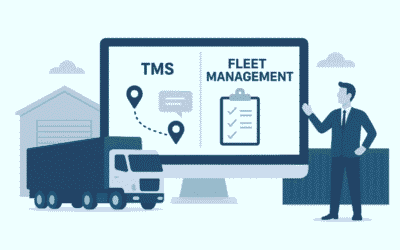
TMS vs Fleet Management: What’s the Real Difference? Xfrate
TMS vs Fleet Management: What’s the Real Difference? Let’s be honest, the logistics world loves its acronyms. TMS, FMS, ERP… it’s like a full alphabet soup out here. But two of these often get mixed up the most- TMS (Transport Management System) and Fleet Management...
5 Key Transport Management System Benefits for Logistics Businesses | Xfrate
5 Reasons Your Logistics Business Needs a Transport Management System If you’re running a logistics business, you already know the chaos. The endless calls, tracking numbers buried in spreadsheets, and that one client always asking “where’s my truck?” At some point,...