
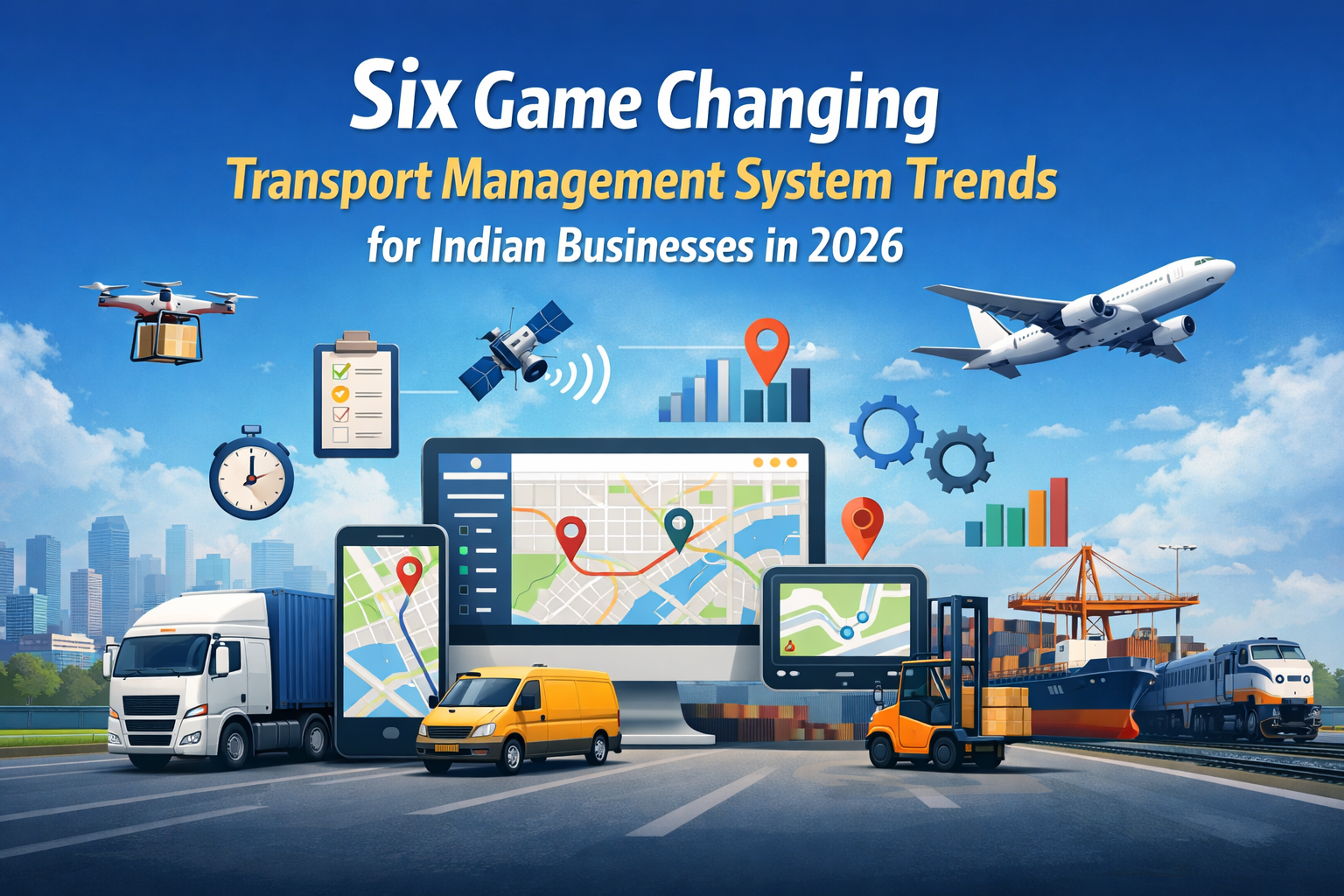
As transportation directly impacts cost, reliability, and customer trust, manufacturers are turning to smarter, data-driven Transportation Management Systems (TMS). Platforms like Xfrate are helping businesses bring structure, visibility, and control to complex mid-mile operations. This blog explores game-changing TMS trends that will shape Indian manufacturing logistics by 2026.
1. AI-Driven Freight Decision Making
AI is no longer limited to basic automation. By 2026, it will power decision intelligence, helping manufacturers choose the right transporters, predict delays, and price lanes more accurately. In India’s volatile freight market, AI reduces guesswork, cuts down manual effort, and protects margins that would otherwise be lost to inefficiencies.
2. Integrated FTL, LTL, and Contracted Lanes
Indian manufacturers typically manage a mix of spot shipments, repeat lanes, and long-term contracts. Running these across multiple systems often leads to confusion and inefficiency. Future-ready transport management software solutions in India will bring FTL, LTL, and contracted freight together on a single platform, making operations simpler, cleaner, and far more scalable.
3. Digital PODs and Faster Cash Cycles
Delayed Proof of Delivery slows invoicing and directly impacts cash flow. It breaks the trust between transporters and businesses. Digital PODs are quickly becoming the norm, enabling faster billing, fewer disputes, and improved working capital. When PODs move faster, finance and logistics teams can work smoothly together instead of separately.
4. Clear Accountability Between Shippers and Transporters
Manufacturers increasingly want greater control over their transporter relationships. Open marketplaces often dilute accountability. As a result, the shift is toward private, controlled transporter networks within TMS platforms. This approach improves trust, transparency, and long-term collaboration, without relying on intermediaries.
5. Performance Dashboards for Continuous Improvement
By 2026, logistics reporting will extend far beyond day-to-day operations. Strategic dashboards will track KPIs such as freight cost as a percentage of revenue, lane-wise performance, and transporter reliability. This level of insight helps leadership teams turn logistics from a cost center into a powerful strategic lever.
6. Fast Go-Live for Rapid Growth
Lengthy implementations are no longer acceptable. Manufacturers now expect SaaS-first, API-ready platforms that integrate seamlessly with ERP, WMS, and accounting systems. Modern transport ERP software in India must enable quick adoption and start delivering value early.
Conclusion:
Taken together, these SIX trends make one thing clear that a transport management system in India is no longer just a software tool but core infrastructure. Manufacturers that adopt data-driven logistics today will scale faster, operate more efficiently, and compete with greater confidence tomorrow. With Xfrate, businesses can move beyond manual coordination and gain real control over their transport operations through a modern, intelligent platform built for mid-mile logistics. Choosing the right transport management software provider in India is no longer an IT decision, it is a business decision. The real question is whether your current transport setup is helping you scale or holding you back.